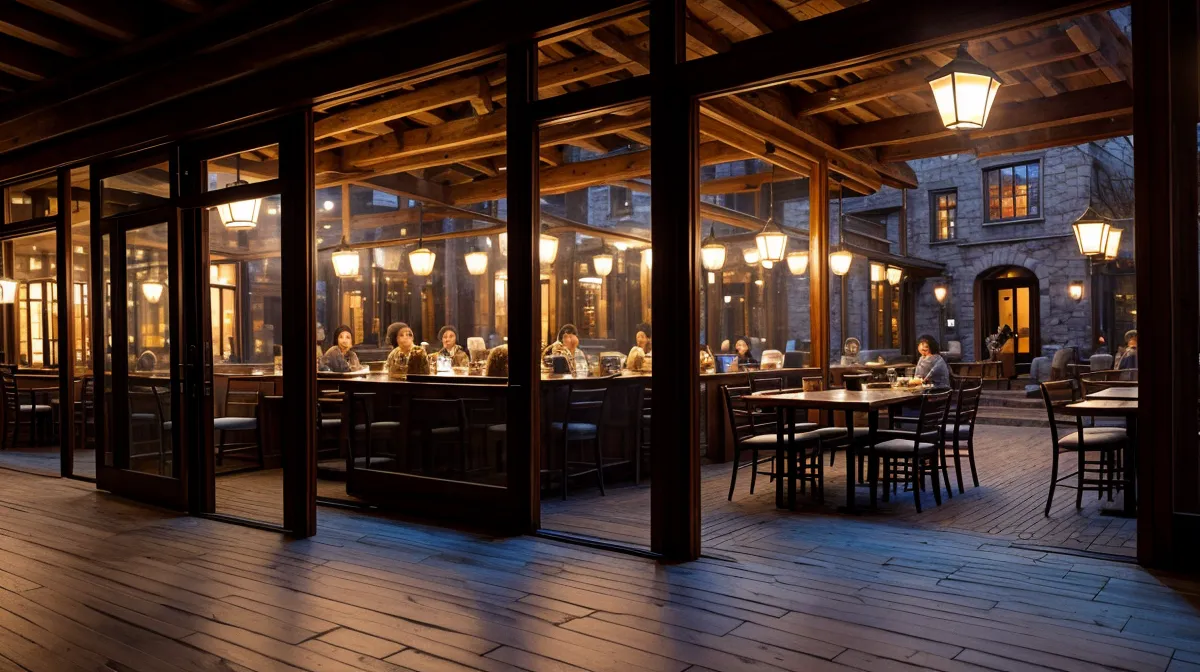
It was early spring in Lisbon, and the air in the cafe had that perfect balance of salt and roasted beans, but I was sweating. My partner was mid-sentence on a high-stakes video call when I—thinking I was being discreet—clicked 'Play' on the latest University Challenge episode. Suddenly, the video call froze, their digital background vanished, and I was met with the look of pure exasperation from my partner as the shared hotspot buckled under the weight of my VPN-encrypted stream. It’s the classic nomad dilemma: trying to live your best life while your tech setup actively tries to sabotage your relationship.
Before I get into the weeds of how I fixed our connection (and saved my dignity), a quick heads-up: this site uses affiliate links. If you sign up for a VPN through these links, I earn a commission at no extra cost to you. I only recommend services like /deal/main because I’ve actually paid for them and used them while frantically trying to meet design deadlines in Porto or Chiang Mai. You can read my full transparency policy here.
The Design Nomad’s WiFi Paradox
Since I left London back in 2022, my life has been a series of trades. I traded my permanent desk for the constant hunt for a WiFi password, and my stable fiber connection for the fickle whims of public networks. Last November, I realized that being a remote designer adds a layer of complexity most 'travel light' guides ignore. Most people just need to check emails; I’m often syncing massive project files or rendering high-bitrate video clips. Standard VPN advice usually ignores the fact that encryption overhead can make these tasks nearly impossible on standard public bandwidth.
When you’re in a coworking space or a cafe, you’re usually toggling between the 2.4 GHz and 5 GHz WiFi frequency bands. The 5 GHz band is faster but has a shorter range; however, when you add a VPN into the mix, the latency can skyrocket. I’ve learned the hard way that if the WiFi is already struggling, a heavy VPN protocol will turn a simple file sync into a multi-hour ordeal. This is why I eventually settled on ExpressVPN as my primary tool. Its Lightway protocol is designed to be more efficient, which is a lifesaver when you're trying to push a heavy design file over a connection that’s already being shared by twenty other people.
The Captive Portal Nightmare in Bangkok
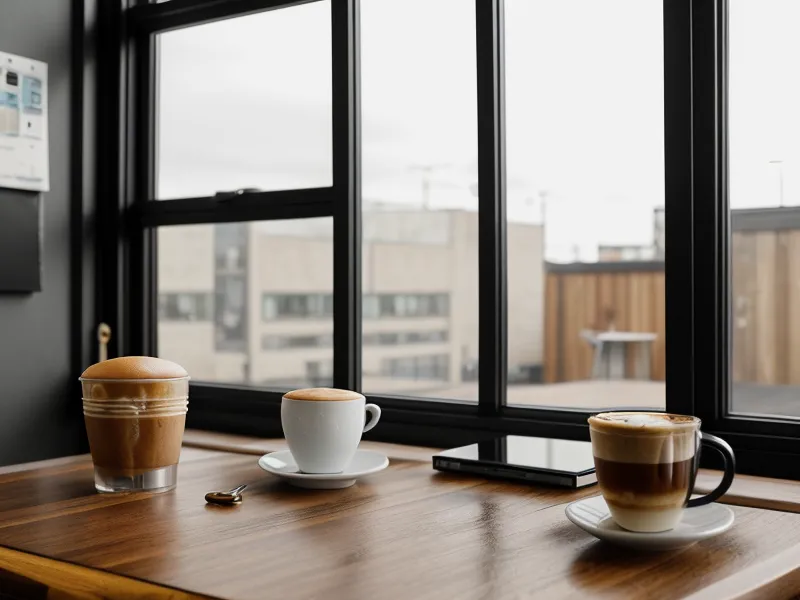
One humid afternoon in Bangkok, I learned a very expensive lesson about 'free' security. I was sitting in a beautiful glass-walled cafe, trying to save a few pounds by using a free VPN I’d found on the app store. I needed to check my UK bank balance to see if a client had paid. Within minutes, my banking app locked me out for 'suspicious activity.' The free VPN had assigned me a random, flagged IP address that looked like a hacking attempt to my bank. It took three hours on the phone with customer service to get back into my account.
That frustration was compounded by the 'captive portal' nightmare. You know the one—the login page that pops up when you join public WiFi. Most VPNs try to connect immediately, but because the captive portal blocks all traffic until you click 'Accept,' the VPN gets stuck in a handshake loop. This leaves your device exposed or, more often, just completely offline. I’ve found that using the Best NordVPN Features for Remote Designers Working in Public Cafes can help mitigate some of these handshake issues, especially if you use their 'obfuscated' settings when the network is particularly restrictive.
Streaming, Syncing, and the Condesa Spinner
A few weeks ago in Mexico City, I was working from a gorgeous spot in Condesa. I could smell the slightly burnt espresso from the machine behind me, and I was feeling productive. I decided to reward myself by catching up on the news from home. But as I opened the app, the 'Content not available' spinner mocked my attempt. BBC iPlayer is notoriously difficult because UK law requires exactly 1 valid TV license per household to access it, and their systems are incredibly good at spotting VPNs. They constantly rotate their IP blacklists.
This is where the 'it just works' factor becomes worth every penny. I’ve tried cheaper options, but they often require me to cycle through ten different servers before I find one that hasn't been blocked. When I finally see that BBC logo load, I feel an immediate physical relief in my shoulders. It’s not just about the TV; it’s about the fact that I don’t have to spend my lunch break troubleshooting my tech. If you're traveling with someone else, you might want to look into How to Watch UK Netflix in Mexico City for Shared Movie Nights to avoid the same 'VPN is broken again' arguments I used to have.
Why I Stopped Chasing the Cheapest Deal
I used to be the person who would spend hours looking for a coupon code to save a pound a month. But after three years on the road, I’ve realized that my sanity is more valuable. When my partner is on a Zoom call and I’m trying to work, we need a VPN that can handle multiple devices without dropping the connection. ExpressVPN allows for 8 simultaneous device connections, which is usually just enough for our laptops, phones, and the tablet we use for streaming in the evenings.
If you're more budget-conscious but still want reliability, CyberGhost VPN is a solid alternative. They actually have a 45 days money-back guarantee, which is the longest I've seen. It’s great if you’re just heading out on a short trip and want to test if it works with your specific streaming apps. They even have servers labeled specifically for things like 'BBC iPlayer' or 'Netflix US,' which takes the guesswork out of the process.
My Practical WiFi Survival Kit:
- Always connect to the WiFi first: Let the captive portal do its thing before you toggle the VPN on.
- Check your protocol: If your file sync is crawling, switch from OpenVPN to something like Lightway or WireGuard.
- Have a backup: I still pay for two subscriptions. When one gets blocked by a streaming service, the other usually works.
- Split Tunneling: I use VPN Split Tunneling for Streaming While Working Remotely so my design software stays on the fast, local connection while my browser thinks I'm in London.
Ultimately, the goal of being a digital nomad isn't to become a network engineer. It’s to be able to do your job and enjoy your downtime without the technology getting in the way. Whether it’s watching Jeremy Paxman grill students or uploading a new brand identity for a client, I’ve learned that the best VPN is the one you forget is even running. If you're looking for the most seamless experience I've found so far, I'd suggest checking out ExpressVPN—it’s the only one that has consistently survived my 2am hotel TV setups and crowded cafe work sessions.