
One humid afternoon in a Bangkok cafe late last autumn, I was frantically trying to load a fresh episode of University Challenge while the public Wi-Fi redirected me to three different 'special offer' pop-ups before I could even see the login screen. It’s the same old story: you just want 30 minutes of Paxman-style interrogation (well, Amol Rajan now, but you know what I mean) and instead, you’re being hunted by tracking cookies. My partner was sitting across from me, already huffing because his Zoom call was lagging, and I knew it was the 'free' network injecting its own brand of chaos into our connection.
Being a remote designer means my laptop is essentially my entire life, but it’s also a giant target. When I’m bouncing between an Airbnb in Chiang Mai or a noisy corner of Porto, I’m not just worried about someone 'hacking' me in a movie-hacker way. I’m worried about the dozens of malicious scripts and trackers that slow down my design software and make my browser feel like it's wading through treacle. That day in Bangkok was the turning point where I stopped just using my VPN for the British IP address and started actually messing with the Threat Protection settings.
The Digital Bouncer: Why Basic VPN Connection Isn't Enough

For a long time, I thought that hitting the big blue 'Connect' button was the end of the story. I figured that because I had that industry-standard AES-256 encryption wrapped around my data, I was a ghost. But encryption is just a tunnel; it doesn't stop the person at the end of the tunnel from handing you a flyer for a dodgy gambling site. I’d be in a lovely little coffee shop in Lisbon early this spring, and despite being 'protected,' I’d still get hit with those weirdly specific ads that made me think the router was listening to my internal monologue.
If this public network injects one more tracking cookie into my browser, I am packing up and moving back to a cubicle in Shoreditch. That’s what I told myself while trying to work on a branding project in Lisbon. I realized that public Wi-Fi captive portals—those login pages that ask for your email or room number—often use unencrypted HTTP redirects. This makes them absolute magnets for trackers. NordVPN’s Threat Protection Pro essentially acts like a digital bouncer that stands at the entrance of your browser, checking the ID of every script and file trying to get in.
The beauty of the 'Pro' version (which I finally toggled on after that Bangkok disaster) is that it doesn't just block ads; it scans files you're downloading in real-time. As a designer, I’m constantly grabbing assets, fonts, and zip files. Knowing that there's a background process checking for malware before it even hits my hard drive is the only way I can sleep at night when I'm using a 'guest' network I found on a sticker under a table.
The Captive Portal Paradox: When Security is Too Good

Here is the thing no one tells you about 'aggressive' security: sometimes it works a little too well. One of the best ways to use NordVPN Threat Protection on public cafe Wi-Fi is actually knowing when to turn it off for exactly sixty seconds. This is the 'nomad secret' I learned the hard way. Most cafes use those captive portals I mentioned earlier, and Nord’s DNS-level blocking often sees those login pages as a threat because they’re essentially trying to hijack your browser session.
I remember sitting in a hotel in Porto, trying to get online at 2am to finish a layout. I had Threat Protection cranked up to the max, and the login page just wouldn't load. I thought the Wi-Fi was down, but it was actually Nord doing its job. The trick is to disable the protection for a moment, sign into the cafe's Wi-Fi, and then immediately toggle it back on. Once you're through the gate, the protection can resume its post. I’ve found that even if I forget to hit the 'Connect' button for the VPN itself, the Threat Protection Pro stays active as a standalone security layer, which has saved me more times than I care to admit when I've been in a rush to check an email.
If you're finding that your connection is particularly stubborn in Southeast Asia, you might want to look into Using NordVPN Double VPN for Extra Security on Public Bangkok Wi-Fi, especially if you're handling sensitive client data. It adds that extra layer that makes you feel a bit more like a secret agent and less like a tourist with a laptop.
Cleaning Up the Web in Mexico City
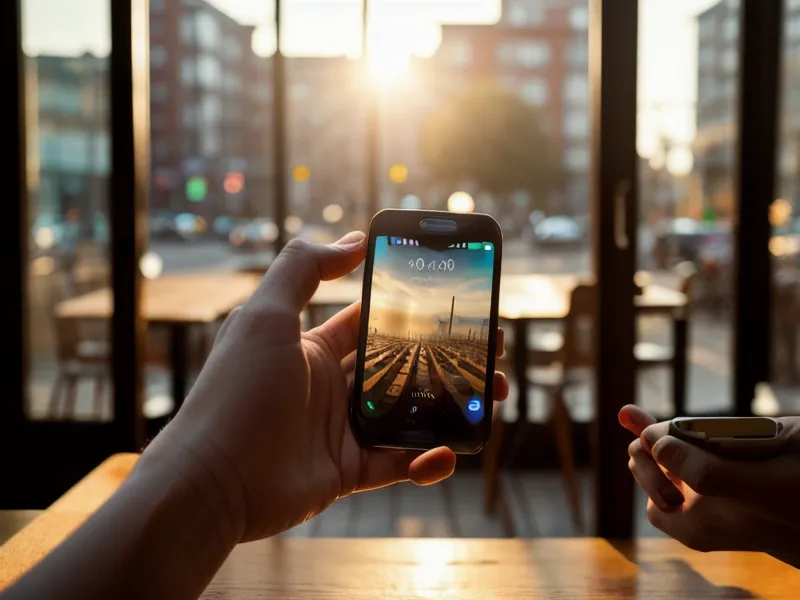
After about three weeks in Mexico City this past May, I had settled into a routine at a specific cafe in Roma Norte. It had great light, decent chairs, and an oat latte that was worth the slightly steep price. However, the Wi-Fi was a nightmare of 'suggested content' and pop-up banners. This is where I really saw the value of the URL blocking feature. Threat Protection doesn't just hide the ad; it prevents the request for the ad from ever leaving your computer. This actually saves bandwidth—a precious commodity when the cafe's router is struggling to serve twenty people all trying to stream at once.
I remember the sensory relief of sitting there: the sticky residue of a spilled oat latte on a Roma Norte cafe table while the University Challenge theme tune finally buffers without a single ad interruption. It’s those small wins that make the nomad life sustainable. My partner, who usually notices the exact second the streaming quality drops from 4K to 'potato,' was actually able to get through his video calls without a single 'can you hear me?' glitch. We’ve found that using the right settings is key, especially when you're trying to figure out the Best VPN for Apple TV to Watch British Content from Mexico for those evenings when you just want to collapse in front of the telly.
With over 6,000+ servers to choose from, I usually just pick the closest one in Mexico City to keep the latency low, but I keep the Threat Protection settings on 'Maximum.' It blocks those annoying 'Accept All Cookies' banners that seem to pop up on every single site now, which, honestly, is worth the subscription price alone for the sanity it preserves.
Mid-June Reflections: Peace of Mind and Design Files
By mid-June, I had a system down. Whether I was in a bustling market-side cafe or a quiet library, the first thing I did was check my Nord settings. It’s no longer just about unblocking the BBC for me; it’s the quiet peace of mind that my design files aren't being scraped by a dodgy router in a random coffee shop. I’ve realized that the 'Threat Protection' feature is basically the 'set it and forget it' tool for people like me who aren't network engineers but know enough to be dangerous.
I’ve also learned that if you’re traveling as a couple, managing all these connections can be a bit of a headache. We actually looked into the Best VPN with Unlimited Device Connections for Nomadic Couples (2026 Update) recently because, between my two laptops, his three phones, and our shared streaming sticks, we were constantly hitting device limits. It’s funny how 'digital nomadism' eventually just turns into being a full-time IT manager for your own backpack.
Ultimately, using Threat Protection on public Wi-Fi is about reclaiming your focus. When you aren't swatting away pop-ups or worrying about whether the file you just downloaded is a Trojan horse, you can actually get your work done. And more importantly, you can get to the end of that University Challenge episode without the stream dying right as they get to the music round. For me, that’s the real definition of freedom.